
Relationship Court

Love, dating, marriage, friendships, and family conflicts

4 cases found

My Mom Abandoned Me When I Was 5

Plaintiff A man who was abandoned by both of his parents as a young child and later tracked down his mother after more than 40 years. Defendant His biological mother, who disappeared without warning, never contacted her children again, and showed little interest in reconnecting after being found decades later. --- Some childhood memories never fade. For the plaintiff, one moment has stayed with him for nearly his entire life. He was just five years old when he came home from kindergarten and discovered that his mother was gone. She hadn't gone to work. She hadn't gone to the store. She had simply moved away. Without saying goodbye. Without leaving an explanation. Without taking her children. As he walked through the house, he found his three-year-old brother sitting alone in a small rocking chair, clutching his teddy bear and crying. Over and over again, the little boy repeated the same heartbreaking words: "Mommy doesn't love me anymore." The plaintiff says it's a memory he has never been able to forget. A few days later, their father drove the four brothers to an aunt's house. He told them he would be back in a couple of days. He never came back. The next time the plaintiff saw his father was nearly a decade later. He was 14 years old and barely recognized him. According to the plaintiff, his father had become a severe alcoholic, was often homeless, and drifted in and out of his life only a handful of times before eventually passing away. Years later, another family secret came to light. When the plaintiff was 15, he learned that he had an older brother he had never known existed. His mother had abandoned that child as well. For decades, no one knew where she had gone. Not even her own brothers and sisters. The plaintiff says his grandmother died without ever learning what had happened to her daughter. Then, more than 40 years after she disappeared, one of the plaintiff's aunts hired a private investigator. The investigator found her. The plaintiff and one of his brothers agreed to meet their mother, hoping to finally get answers after a lifetime of questions. Instead, they left disappointed. According to the plaintiff, their mother showed little emotion during the meeting. She didn't seem interested in rebuilding a relationship. She showed no real concern that one of her sons had already passed away before she was found. The plaintiff says she appeared completely detached from the pain her disappearance had caused. That meeting would also be their last. He has never seen or spoken to her again. Now approaching 90 years old, she remains alive, although the plaintiff says only one aunt still checks in on her every few months to see how she's doing. The plaintiff has no plans to reconnect. In hopes of uncovering more of his family's history, he later submitted his DNA to a genealogy service to see if there were any other siblings he didn't know about. So far, none have appeared. Although he finally found the answers he had spent decades searching for, they weren't the answers he had hoped to hear. --- Questions Before The Court * Is there any circumstance that could justify abandoning young children without explanation? * Should the plaintiff have given his mother another chance after finally finding her? * Does being someone's biological parent automatically deserve forgiveness? * Can some family relationships be too broken to repair?

0 votes

My Girlfriend Called My Late Brother's Memorial A "Stupid Tradition"

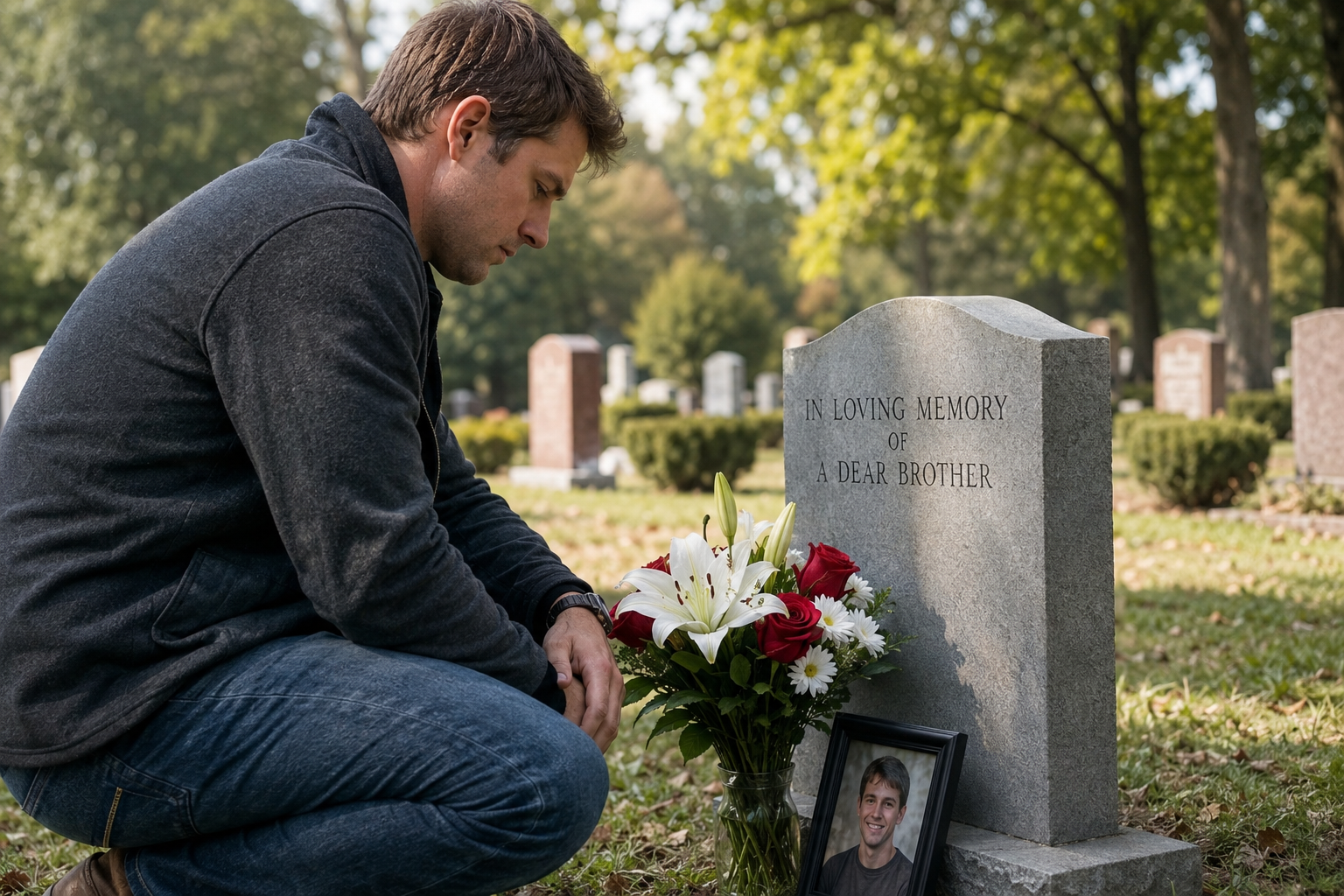
Plaintiff A 30-year-old man who refused to skip his yearly tradition of honoring his late brother, despite pressure from his girlfriend. Defendant His girlfriend of nine months, who believed he should have postponed the tradition to join her and her mother for lunch. --- A couple's relationship has come to an abrupt end after a disagreement over how one man chooses to honor his late brother. The plaintiff says he lost his younger brother to cancer eight years ago. His brother was only a young man when he passed away after a long fight with the disease. Since then, the plaintiff has followed the same personal tradition every year on the anniversary of his brother's death. He takes the day off work, visits his brother's grave, donates blood in his memory, returns home, and watches his brother's favorite movie. He says the routine brings him peace and helps him feel connected to someone he still misses deeply. This year, however, the tradition became the center of an argument with his girlfriend. The defendant, who had been dating the plaintiff for about nine months, asked him to join her and her mother for lunch while her mother was visiting town. The plaintiff declined. He explained that it was the anniversary of his brother's death and that he planned to spend the day following the tradition he had observed every year since losing him. According to the plaintiff, the defendant didn't understand. Instead, she told him that having lunch with her mother whenever she visited was also a tradition. She then suggested he could simply donate blood on another day. The plaintiff tried to explain that the day wasn't just about donating blood. It was about remembering his brother in a way that had become deeply meaningful to him. Later that evening, while he was at home watching his brother's favorite movie, the defendant messaged him again and asked if he would reconsider joining them. Once again, he politely declined and said he would happily spend time with her mother the next time she visited. According to the plaintiff, the conversation quickly turned hurtful. He says the defendant accused him of embarrassing her in front of her mother. She allegedly called him selfish and lazy and dismissed his annual memorial as a "stupid tradition." The argument left the plaintiff questioning the future of the relationship. A few days later, he reached out and told her they needed to talk. She never replied. Instead, she blocked him on social media, WhatsApp, and every other platform they used to communicate. Even her best friend reportedly blocked him. Although surprised by how things ended, the plaintiff says he isn't heartbroken. In fact, he believes the breakup confirmed that they weren't compatible. Looking back, he feels his tradition may have saved him from committing to a relationship with someone who didn't respect something so important to him. Now he's wondering whether refusing to change his plans made him unreasonable or whether his girlfriend crossed a line by expecting him to. --- Questions Before The Court * Was the plaintiff right to refuse lunch with his girlfriend and her mother? * Should deeply personal memorial traditions ever be postponed for a partner? * Did the defendant disrespect the plaintiff's grief by calling his tradition "stupid"? * Was ending the relationship the best outcome for both of them?

0 votes

I Announced My Pregnancy At My Brother's Wedding

Plaintiff A man who says his brother ruined his wedding by proposing during the reception after being explicitly told not to. Defendant His younger brother, who proposed at the plaintiff's wedding and later accused him of stealing the spotlight by announcing a pregnancy at his own wedding. --- What started as one wedding proposal has turned into a family feud that's now divided relatives over who crossed the bigger line. The plaintiff says that before his own wedding, his brother approached him with an unusual request. He wanted to propose to his girlfriend during the wedding reception. The plaintiff immediately said no. He explained that his wedding day was meant to celebrate him and his wife, and they didn't want another major event taking attention away from the occasion. Instead of accepting the answer, the plaintiff says his mother became furious. According to him, she argued that family members from out of town were already gathered together, making it the perfect opportunity for a proposal. The plaintiff stood his ground. He warned everyone that if his brother proposed anyway, he would have him removed from the wedding. That's when the situation became even more complicated. His mother allegedly told him that if he kicked his brother out, she would leave too. Feeling cornered, the plaintiff hoped his brother would respect his wishes. He didn't. During the wedding celebration, the defendant got down on one knee and proposed in front of family and friends. The proposal went ahead despite the plaintiff's objections. Although the wedding continued, the plaintiff says he never forgot how angry and powerless he felt that day. Years later, the roles were reversed. The defendant was getting married. This time, the plaintiff arrived with a secret of his own. He and his wife were expecting their first child. When it came time for speeches, the plaintiff was invited to give what was supposed to be a welcome-to-the-family toast. Instead, he surprised everyone by announcing that they were expecting a baby. The announcement immediately became one of the biggest talking points of the reception. Family members gathered around to congratulate the couple, ask questions, and celebrate the pregnancy for much of the evening. According to the plaintiff, his mother was furious. She accused him of taking attention away from his brother on one of the biggest days of his life. But before the argument could continue, the plaintiff says his grandmother stepped in. She reportedly told his mother to "sit down and shut up." When his mother continued criticizing him after the wedding, the plaintiff reminded her of what happened years earlier. He pointed out that when his brother proposed at his wedding, she had defended him and even threatened to leave if he tried to stop it. According to the plaintiff, he still has screenshots of those messages. Now the family is arguing over whether he simply gave his brother a taste of his own medicine or whether he stooped to the same level. --- Questions Before The Court * Was the plaintiff justified in announcing his pregnancy at his brother's wedding? * Did the defendant lose the right to complain after proposing at the plaintiff's wedding? * Should the family have treated both situations the same? * Was this fair payback, or did both brothers ruin each other's weddings?

0 votes

My Best Friend Secretly Stayed Friends With My Cheating Ex Husband

Plaintiff A 37-year-old woman who ended her marriage after discovering her husband had been having an affair. Defendant Her best friend of 15 years, who continued talking to and meeting with the ex-husband after the divorce. A woman says losing her husband to infidelity was one of the most painful experiences of her life. What she didn't expect was losing her best friend too. The plaintiff had been with her husband for 12 years and married for 8 when she discovered he had been having an affair with a coworker. She says learning about the betrayal over the Christmas holidays completely shattered her world. After deciding to leave the marriage, she turned to her friends for support. According to her, she only asked for one thing: Please don't maintain a relationship with the man who cheated on me. Most of her friends understood and respected her wishes. One person didn't. That person was Sarah, a woman she had considered her best friend for more than 15 years. At first, the plaintiff didn't realize anything was wrong. But over time, she started noticing that Sarah seemed to know a lot about her ex-husband's life. Sarah would casually mention details about his new job, things he had been doing recently, and updates that didn't appear anywhere on social media. When questioned about it, Sarah reportedly brushed it off and claimed she had simply seen those details online. The truth came out later. A mutual friend informed the plaintiff that Sarah had been texting her ex-husband regularly and had even been meeting him for coffee behind her back. Feeling betrayed, the plaintiff confronted Sarah directly. Sarah admitted that she was still in contact with him. However, she didn't think she had done anything wrong. According to the plaintiff, Sarah argued that she and the ex-husband had their own friendship and that she wasn't willing to end it just because the marriage had fallen apart. But that wasn't what hurt the most. The plaintiff says Sarah made several comments that left her questioning their entire friendship. Sarah allegedly told her that the ex-husband was still a "great guy," accused her of being too emotional about the divorce, and claimed she was trying to control who people could be friends with. She also reportedly told her to stop acting like a victim. Looking back, the plaintiff says these comments felt even worse because Sarah had a history of making uncomfortable remarks throughout their friendship. Over the years, Sarah had joked about being jealous of the men the plaintiff dated and occasionally hinted that she had a special connection with the plaintiff's future husband before the relationship even began. At the time, the plaintiff laughed those comments off. Now, she isn't so sure. What concerns her most is the possibility that Sarah may have shared private information with her ex-husband. Throughout the divorce, she confided in Sarah about her fears, financial struggles, therapy sessions, and the emotional toll of rebuilding her life. The thought that those personal conversations may have been discussed with the man who betrayed her has made it impossible for her to trust Sarah. As a result, she decided to end the friendship completely. Months later, Sarah reached out with what appeared to be a sincere apology. She said she missed their friendship and wanted to rebuild trust. The plaintiff considered giving her another chance. But when she explained why she still felt hurt and unable to move forward, the conversation quickly fell apart. According to the plaintiff, Sarah responded by bringing up old conflicts from years ago, minimizing her own actions, and shifting blame instead of taking responsibility. That response became the final straw. Today, the plaintiff says she has no interest in repairing the friendship. While she once viewed Sarah as one of the most important people in her life, she now believes walking away was the right decision. In her words, she didn't lose a friend. She gained self-respect. Questions Before The Court Was the plaintiff justified in ending a 15-year friendship? Should close friends cut ties with someone who cheated on their partner? Did Sarah cross a line by staying in contact with the ex-husband? Is remaining neutral after infidelity possible, or does neutrality become a choice in itself?

0 votes